
Lab Interpretation AI holds the key to unlocking substantial hidden revenue in your longevity clinic. The annual cost of operating revenue cycle management systems in American healthcare stands at an astounding $470 billion, yet most clinics continue treating lab reports as mere commodities rather than valuable assets. You’re likely sitting on a goldmine of data that could transform one-time patients into long-term clients.
When your patients receive complex PDF reports filled with hundreds of biomarkers, they often feel overwhelmed and underserved. Consequently, they don’t return for follow-ups. However, AI-powered tools can analyze these large datasets much faster and more accurately than human counterparts, creating opportunities for Longevity Clinic Patient Retention through better visualization and interpretation.
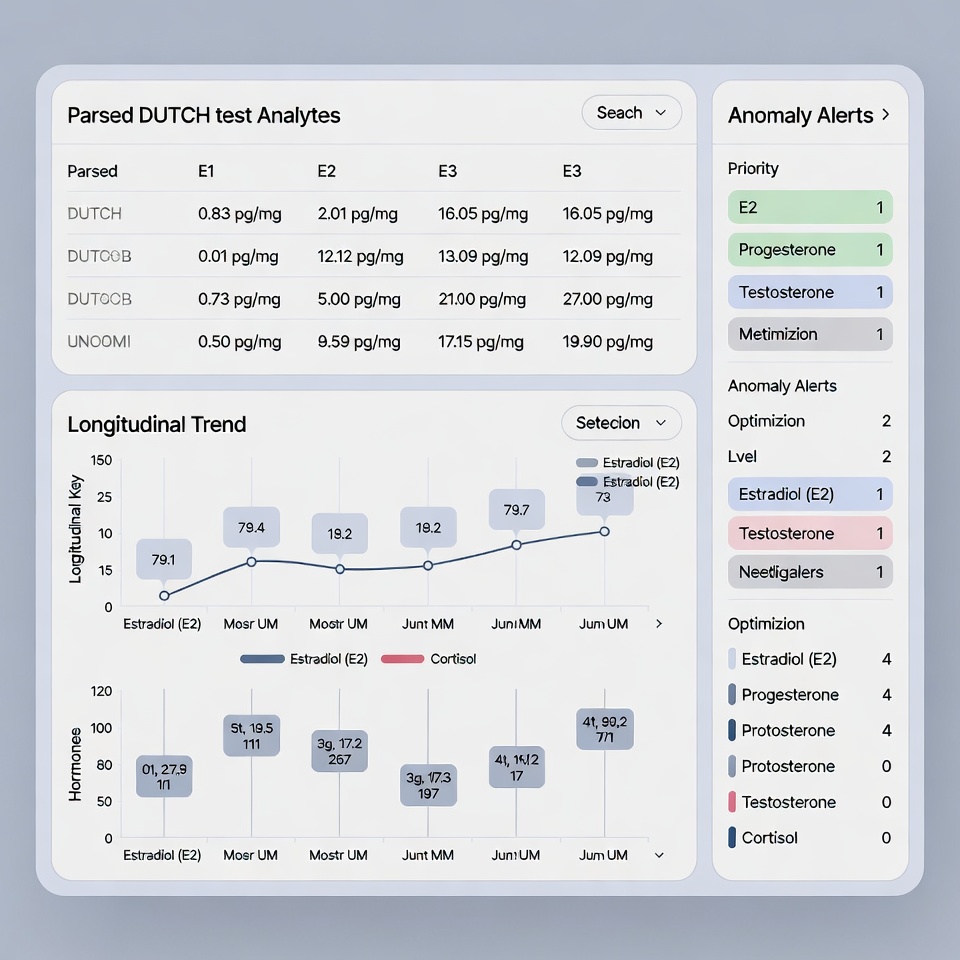
By implementing Biomarker Visualization Software that transforms raw numbers into actionable insights, you can drive Functional Medicine Revenue Growth while delivering superior care. AI-driven platforms like HolistiCare can analyze over 800 biomarkers from blood, genetics, and lifestyle data, then generate protocols that sound personally created, all backed by the latest longevity research.
In this article, you’ll discover how to escape the commodity trap of selling labs as cost-plus services and instead position lab interpretation as a high-ticket transformation that patients willingly pay for repeatedly.
The "One-and-Done" Crisis: Why Static PDFs Kill Retention
Your patients walk away with their PDF lab reports, never to return again. This “one-and-done” pattern isn’t just frustrating—it’s decimating your clinic’s revenue potential. Studies reveal a startling reality: 35.2% of patients are unsure whether they understand their laboratory results [1], creating a massive barrier to continued care.
The Confusion Gap
Static PDFs present lab data in clinical tabular formats that alienate your patients. An alarming 67% of patients report confusion about different aspects of their laboratory results [1], including medical terminology, reference ranges, and—most critically—what the values mean for their health.
For patients receiving abnormal results, the experience is particularly distressing. Many struggle to interpret “how bad” their results are or how concerned they should feel [1]. This confusion creates distance between your expertise and their understanding.
Additionally, patients find themselves “in limbo” waiting for results, exacerbating anxiety and frustration [2]. These negative emotions don’t inspire confidence or foster the trust needed for long-term relationships.
The Perceived Value Drop
When patients can’t connect lab data to meaningful health insights, they perceive diminished value in your services. Research confirms that 75% of patients use reputation as their primary criterion when choosing healthcare providers [3]. Poor experiences with confusing lab results directly undermine that reputation.
The relationship between patient satisfaction and loyalty is remarkably strong [3]. Yet, misunderstanding test results frequently leads to increased phone calls, unnecessary doctor consultations, emergency visits, and even hospitalizations [4]—all signs of dissatisfaction that erode retention.
Simply put, patients who don’t grasp the “why” behind their biomarkers won’t invest in the “how” of your treatment protocols. Lab Interpretation AI addresses this fundamental problem by transforming bewildering spreadsheets into intuitive visual stories that patients can understand and act upon.
By replacing static PDFs with dynamic visualizations, your Biomarker Visualization Software can bridge the comprehension gap, elevate perceived value, and dramatically improve Longevity Clinic Patient Retention. The result? Patients who return quarter after quarter for the insights only you can provide.
The Psychology of Visualization: Making Data "Protocol-Ready"
Visual communication fundamentally changes how patients perceive and act upon medical information. The psychology behind this transformation offers a blueprint for turning complex lab data into revenue-generating opportunities.
The Health Traffic Light System
Color coding creates a powerful psychological priming effect that subconsciously prepares patients for appropriate responses. Research shows that priming can significantly facilitate health behaviors in everyday environments [5]. The familiar traffic light system—red (urgent), yellow (caution), green (optimal)—provides instant visual cues that bypass cognitive barriers.
Numerous healthcare institutions have successfully implemented this approach. Yale-New Haven Hospital’s Red/Yellow/Green Discharge Tool improved pre-11 A.M. discharges by more than 100% [6]. Furthermore, patients with RYG assignments discharged before 11 A.M. had significantly lower readmission rates (16.2% versus 21.8%) [6].
The effectiveness stems from three psychological principles:
Immediate recognition – Colors trigger faster comprehension than numbers alone
Emotional response – Red naturally signals danger, prompting action
Reduced uncertainty – Clear categorization alleviates anxiety about test results
Notably, labwork results that use color coding help patients understand their status without medical expertise. As one healthcare professional explained, “Reviewing our patients’ status with a quick glance at my computer’s screensaver, I instantly knew which patients needed immediate attention based on their color status” [7].
Monetizing Longevity: The Biological Age Subscription Model
The transformation from selling lab results to monetizing ongoing biological insights represents the ultimate revenue opportunity. Shifting your business model from recurring revenue fundamentally changes your clinic’s valuation and sustainability.
The DunedinPACE Speedometer
Traditional biological age testing tells patients where they stand today; DunedinPACE reveals how quickly they’re aging right now. This algorithm functions as a biological speedometer measuring aging in real-time [10]. Unlike static measurements, DunedinPACE showed exceptional test-retest reliability with scores of 0.96 [11].
The interpretation is straightforward: a score of 1.0 represents average aging (one biological year per chronological year), while 1.2 means accelerated aging at 20% faster than normal [12]. Sell the pace, not the age—this creates immediate urgency as patients can see their aging trajectory rather than just their current status.
Building Recurring Revenue
Recurring revenue differs from reoccurring revenue in its predictability and automatic cadence [13]. By offering quarterly biological age monitoring, you transform unpredictable patient returns into guaranteed income streams.
Companies like TruDiagnostic offer quarterly testing at $998 annually [14], while monitoring services often bundle complementary assessments. For instance, SystemAge includes organ-level resolution across 19 systems plus personalized intervention strategies [12].
LTV Math
Patient Lifetime Value (PLV) equals: Average Value per Visit × Annual Visits × Years as Patient [15]. Consider this transformation:
One-time $5,000 consultation = $5,000 PLV
Quarterly monitoring at $499 per test × 4 tests annually × 10 years = $19,960 PLV
Add complementary services, protocols, and supplements, and PLV can reach $300,000
According to research, increasing patient retention by just 20% through better data presentation can double your clinic’s valuation [16]. Moreover, businesses with predictable recurring revenue appear more attractive to investors and potential buyers [13].
The Infrastructure: How HolistiCare Scales Interpretation
Behind every successful longevity practice lies a sophisticated technical infrastructure. HolistiCare exemplifies how robust systems can scale interpretation while building practitioner trust.
Explainable AI
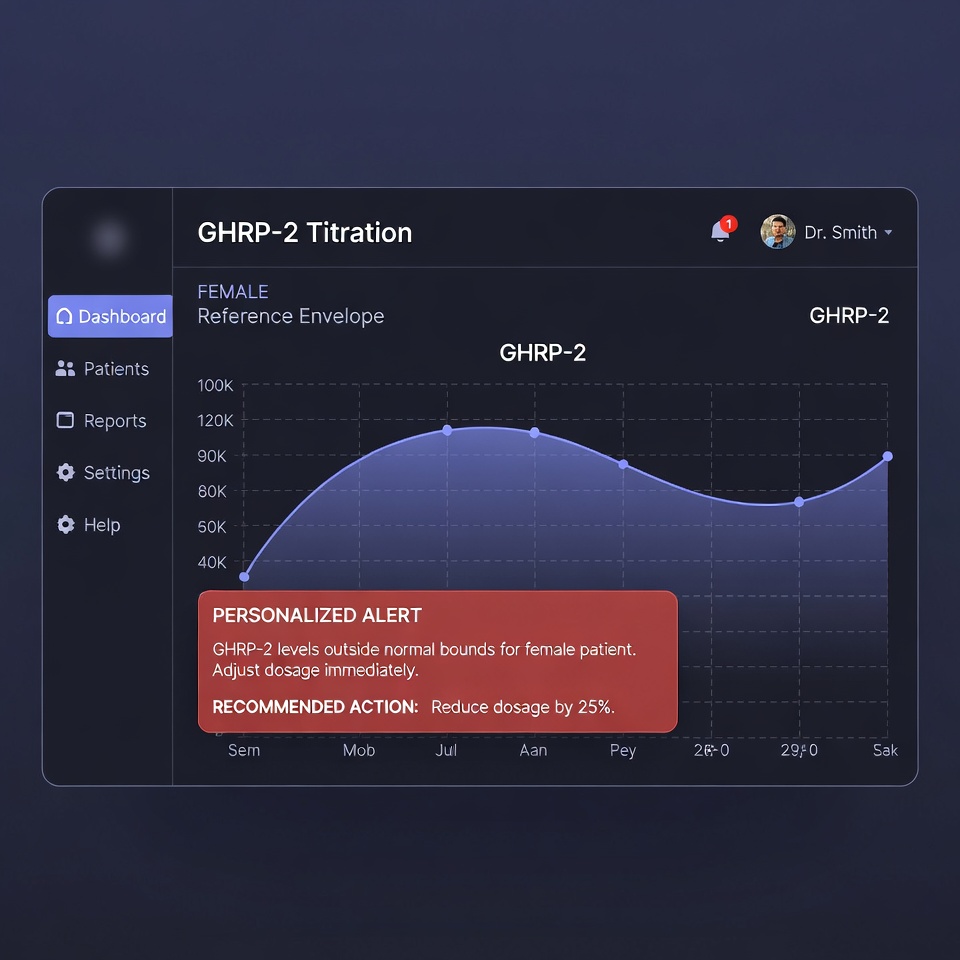
Explainable AI solves the “black box” problem that typically undermines clinician adoption. Unlike opaque algorithms, HolistiCare displays a clinician-readable rationale for every automated inference—showing which values triggered the flag, relevant thresholds, and linked references to guidelines or primary literature [17].
For model-based outputs, the platform summarizes contributing features with confidence intervals (e.g., “Model confidence: 78% based on 3 months of trend data”) [18]. This transparency supports medico-legal documentation, quality review, and clinical governance—essential factors as healthcare professionals remain responsible for ensuring AI-generated conclusions aren’t biased [19].
Auto-Normalization
The “PDF Graveyard” describes where valuable lab data disappears into unstructured formats, becoming effectively unusable. HolistiCare’s solution connects directly to Lab Information Systems and automatically normalizes data through:
Unit standardization (mmol/L ↔ mg/dL conversions)
Reference range harmonization (age/sex-specific intervals)
Special assay metadata tagging (fasting status, sample hemolysis)
This automated approach successfully standardizes up to 96.2% of records while reducing unit heterogeneity by 81% [20]. Subsequently, the platform identifies clinically meaningful patterns and ranks them by probable impact—transforming isolated abnormal results into prioritized clusters with clear next steps.
The 20% Rule
Acquiring new patients costs 5-25 times more than retaining existing ones [21]. Yet, most healthcare providers retain merely 41% of patients beyond their first visit [22]. Through improved data presentation, you can dramatically impact these statistics.
Studies prove that increasing patient retention by just 20% can double your clinic’s valuation [21]. Additionally, businesses with predictable recurring revenue appear substantially more attractive to potential buyers or investors—precisely what Lab Interpretation AI enables.
Conclusion: From Documentarian to Chief Health Strategist
The transformation from commodity lab testing to high-value interpretation represents a paradigm shift for your longevity clinic. Therefore, implementing AI-driven interpretation tools addresses the fundamental retention problem—confused patients simply don’t return. Instead of watching patients disappear after receiving bewildering PDF reports, you can now offer them visual clarity and actionable insights.
Beyond merely improving patient comprehension, this approach unlocks substantial financial opportunities. Rather than settling for one-time $5,000 consultations, quarterly biological age monitoring creates predictable revenue streams worth potentially hundreds of thousands per patient over time. After all, patients gladly pay for transformation, not just information.
The DunedinPACE methodology particularly stands out as a game-changer. Remember to sell the pace, not just the age—showing patients their aging trajectory creates immediate urgency and justifies ongoing monitoring. Consequently, what was once a transactional relationship evolves into a long-term partnership focused on optimizing health spans.
While technical infrastructure might seem daunting initially, platforms like HolistiCare demonstrate how explainable AI maintains your medical authority while automating the heavy lifting of data normalization. Subsequently, your team can focus on high-value interpretation rather than spreadsheet management.
Undoubtedly, the clinics that thrive in coming years will be those that escape the commodity trap of selling labs as cost-plus services. The 20% retention improvement that AI-driven interpretation enables could literally double your clinic’s valuation. Your patients already trust you with their health—now you can offer them something they’ve never had before: a clear, continuous view of their biological journey, with you as their trusted guide every step of the way.
Key Takeaways
Transform your longevity clinic from a one-time service provider into a high-value health strategist by leveraging AI-driven lab interpretation to unlock hidden revenue streams and dramatically improve patient retention.
• Replace confusing PDFs with visual insights: 67% of patients struggle with lab results, but AI-powered color-coded visualizations (red/yellow/green) create instant comprehension and drive action.
• Sell aging pace, not just age: DunedinPACE biological speedometer creates urgency by showing how fast patients are aging, justifying quarterly monitoring subscriptions.
• Build recurring revenue streams: Transform $5,000 one-time consultations into $300,000+ patient lifetime value through quarterly biological age check-ins and ongoing protocols.
• Increase retention by 20% to double valuation: Better data presentation dramatically improves patient retention, with predictable recurring revenue making clinics more attractive to investors.
• Maintain medical authority with explainable AI: Platforms like HolistiCare provide transparent rationale for every automated flag while standardizing multi-vendor lab data automatically.
The shift from documentarian to chief health strategist positions you as an indispensable partner in patients’ longevity journeys, creating sustainable competitive advantages that commodity lab testing simply cannot match.
FAQs
Q1. How can AI-driven lab interpretation improve patient retention in longevity clinics? AI-driven interpretation transforms complex lab data into visually appealing, easy-to-understand insights. This helps patients grasp the significance of their results, leading to better engagement and increased likelihood of returning for follow-up visits and treatments.
Q2. What is the DunedinPACE methodology, and why is it important? DunedinPACE is a biological “speedometer” that measures how quickly a person is aging in real-time. It’s important because it shows patients their aging trajectory rather than just their current biological age, creating a sense of urgency and justifying ongoing monitoring and interventions.
Q3. How can longevity clinics transition from one-time consultations to recurring revenue models? Clinics can offer quarterly biological age monitoring as a subscription service. This approach, combined with complementary assessments and personalized intervention strategies, can significantly increase patient lifetime value and create predictable, recurring revenue streams.
Q4. What role does explainable AI play in maintaining medical authority? Explainable AI provides transparency in the decision-making process by showing clinicians the rationale behind automated flags and inferences. This helps maintain medical authority by allowing healthcare professionals to understand and verify the AI’s conclusions, supporting clinical governance and quality review.
Q5. How does improving patient retention impact a clinic’s valuation? Increasing patient retention by just 20% through better data presentation can potentially double a clinic’s valuation. This is because retained patients generate predictable recurring revenue, making the clinic more attractive to investors and potential buyers. Additionally, it’s more cost-effective to retain existing patients than to acquire new ones.
References
[1] – https://pmc.ncbi.nlm.nih.gov/articles/PMC7752528/
[2] – https://pmc.ncbi.nlm.nih.gov/articles/PMC9282801/
[3] – https://pmc.ncbi.nlm.nih.gov/articles/PMC6172529/
[4] – https://pmc.ncbi.nlm.nih.gov/articles/11347896/
[5] – https://thedecisionlab.com/biases/priming
[6] – https://pmc.ncbi.nlm.nih.gov/articles/PMC4419567/
[7] – https://consultqd.clevelandclinic.org/color-status-signals-when-to-intervene
[8] – https://www.meazurelearning.com/resources/reducing-cognitive-load-and-test-anxiety-4-strategies-for-better-outcomes
[9] – https://pmc.ncbi.nlm.nih.gov/articles/PMC10698654/
[10] – https://pmc.ncbi.nlm.nih.gov/articles/PMC8853656/
[11] – https://www.medrxiv.org/content/10.1101/2021.08.30.21262858.full
[12] – https://www.generationlab.com/blog/dunedinpace-aging-test
[13] – https://www.forbes.com/councils/forbesbusinesscouncil/2021/09/23/how-to-convert-repeat-customers-into-recurring-revenue/
[14] – https://www.morningstar.com/news/pr-newswire/20251113ph23708/best-biological-age-test-2025-trudiagnostic-recognized-for-precision-health-insights-by-expert-consumers
[15] – https://www.rectanglehealth.com/resources/blogs/increasing-lifetime-patient-value/
[16] – https://www.clearwaveinc.com/blog/3-ways-to-use-technology-to-boost-patient-lifetime-value/
[17] – https://pmc.ncbi.nlm.nih.gov/articles/PMC12679721/
[18] – https://holisticare.io/features/clinical-data-analysis-software/
[19] – https://www.fsmb.org/siteassets/advocacy/policies/incorporation-of-ai-into-practice.pdf
[20] – https://www.sciencedirect.com/science/article/pii/S138650562500348X
[21] – https://clarifyhealth.com/insights/blog/how-data-driven-strategies-can-help-improve-patient-retention/
[22] – https://omni-pg.com/patient-retention-and-its-importance-in-dentistry/
Disclaimer
The information in this article is provided by HolistiCare for general informational purposes only and is not intended to be a substitute for professional medical advice, diagnosis, or treatment. HolistiCare does not warrant or guarantee the accuracy, completeness, or usefulness of any information contained in this article. Reliance on any information provided here is solely at your own risk.
This content does not create a doctor-patient relationship. Clinical decisions should be made by qualified healthcare professionals using clinical judgment and all available patient information. If you have a medical concern, contact your healthcare provider promptly.
HolistiCare may reference biomarker roles, study examples, products, or tools. Mention of specific tests, biomarkers, therapies, or vendors is for illustrative purposes only and does not imply endorsement. HolistiCare is not responsible for the content of third party sites linked from this article, and inclusion of links does not represent an endorsement of those sites.
Use of HolistiCare software, services, or outputs should be in accordance with applicable laws, regulations, and clinical standards. Where required by law or regulation, clinical use of biomarker information should rely on validated laboratory results and regulatory approvals. HolistiCare disclaims all liability for any loss or damage that may arise from reliance on the information contained in this article.
If you are a patient, please consult your healthcare provider for advice tailored to your clinical situation. If you are a clinician considering HolistiCare for clinical use, contact our team for product specifications, regulatory status, and clinical validation documentation.