
Did you know it costs approximately $2.6 billion and takes about 10 years to bring a new drug to market? This staggering reality highlights why the digital twin in healthcare is becoming increasingly vital for efficiency and personalization in modern medicine.
Digital twins in healthcare represent dynamic virtual replicas of patients that combine diverse health data streams with disease modeling to guide clinical teams toward truly personalized treatment approaches. Unlike traditional methods that apply generalized treatments to all patients, digital twin technology in healthcare leverages real-time data integration, advanced analytics, and virtual simulations to significantly enhance patient care.
The application of digital twins in healthcare holds tremendous promise across multiple domains. In fact, this innovative approach is already emerging in precision medicine, cancer care, individualized training, and personal well-being maintenance. Additionally, predictive analytics powered by machine learning algorithms enable early detection of health risks and proactive interventions that weren’t previously possible.
Today, your clinic can begin implementing these powerful capabilities without overwhelming complexity. By adopting digital twin principles through biomarker-driven AI, automated plan creation, and unified data insights, you can revolutionize your approach to patient care. HolistiCare provides the infrastructure you need to move toward digital twin-level precision, ultimately improving patient outcomes, enhancing safety, and driving innovation in your practice.
What Is a Digital Twin in Healthcare?
A digital twin in healthcare represents a fundamental shift in how patient information is used and understood. The National Academies of Sciences, Engineering, and Medicine defines it as “a set of virtual information constructs that mimics the structure, context, and behavior of a natural, engineered, or social system, is dynamically updated with data from its physical twin, has a predictive capability, and informs decisions that realize value” [1]. This concept brings healthcare data to life through dynamic modeling and simulation.
A simple definition for clinics and wellness teams
For clinical professionals, a digital twin essentially functions as a virtual replica of a patient that evolves alongside them. Imagine having a digital version of your patient that continuously updates as new data comes in. This virtual counterpart can help you visualize health patterns, test treatment scenarios, and make personalized recommendations without relying solely on general medical guidelines.
Digital twins in healthcare consist of five critical components: the physical patient, data connection systems, patient-in-silico models, user interfaces, and twin synchronization processes [2]. The physical patient generates health data, which flows through connection systems to create and update the virtual model. Healthcare teams then interact with this model through interfaces that translate complex data into actionable insights.
What makes digital twins truly powerful is their ability to predict how a patient’s body might respond to different interventions. They can simulate potential treatment outcomes before actual implementation, offering a proactive rather than reactive approach to healthcare [3].
How digital twins differ from traditional health records
Traditional health records function primarily as historical repositories. They document what has already happened to a patient but offer limited predictive capabilities. In contrast, digital twins create dynamic, bidirectional relationships between the patient and their virtual representation [4].
While electronic health records (EHRs) store information in a relatively static format, digital twins transform this data into living models that continuously learn and adapt. Moreover, traditional records typically require manual interpretation by clinicians, whereas digital twins can actively analyze patterns and generate insights independently [2].
Perhaps the most valuable distinction is that digital twins are inherently forward-looking. Instead of simply recording past events, they enable healthcare providers to run simulations, predict disease progression, and test treatment options virtually before applying them to the actual patient [5].
Common data sources: biomarkers, wearables, lifestyle inputs
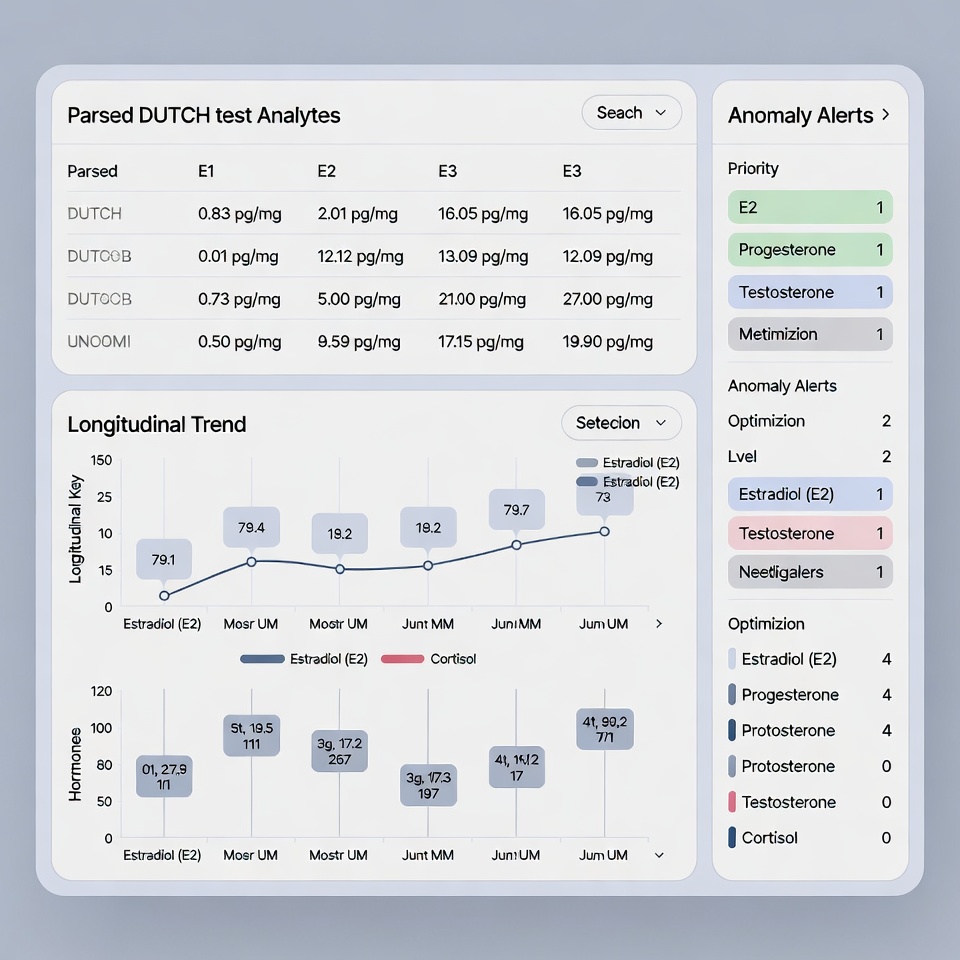
Digital twins thrive on diverse data streams that provide a comprehensive view of patient health. These typically include:
Clinical data: Electronic health records, lab results, imaging studies, and disease registries [3]
Physiological measurements: Vital signs, biomarkers, and diagnostic test results [6]
Omics data: Genomic, proteomic, and metabolomic information [3]
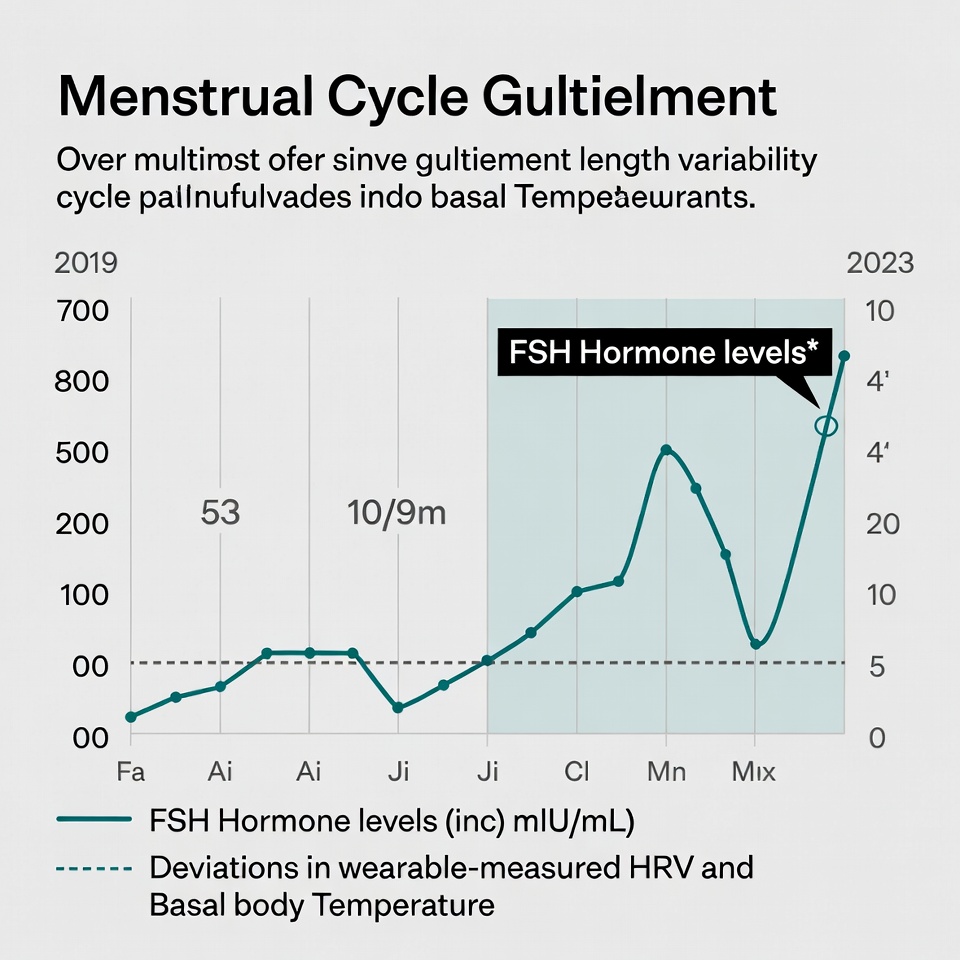
Wearable inputs: Continuous streams from devices tracking heart rate, activity, sleep patterns, and other metrics [2]
Environmental factors: Location data, air quality measurements, and other contextual information [7]
Behavioral and lifestyle data: Diet, exercise, stress levels, and other daily habits [6]
The integration of these varied data types allows digital twins to capture a more holistic picture of patient health than any single data source could provide. Furthermore, as sensing technologies advance and become more affordable, the richness and accuracy of digital twins continue to improve [8].
Digital twins can exist at various levels of granularity—from whole-body simulations to organ-specific models or even cellular-level representations—depending on the specific healthcare application [3]. This flexibility makes them valuable across numerous clinical scenarios, from preventive care to chronic disease management.
Why Digital Twins Matter for Longevity Clinics
Longevity clinics face a unique challenge: delivering highly personalized care at scale while staying ahead of health concerns before they develop into serious conditions. Digital twins in healthcare offer a compelling solution to these challenges by creating dynamic virtual replicas that evolve alongside patients.
Personalization at scale
For longevity-focused practices, the traditional one-size-fits-all approach to healthcare falls short. Digital twin technology enables a fundamental shift toward truly individualized care by generating detailed, personalized disease models that can visualize patient metrics, predict progression, and simulate different treatment outcomes [2].
Unlike conventional models that apply generalized approaches to everyone, digital twins evolve alongside the patient—a critical paradigm shift for longevity medicine [2]. This continuous adaptation allows clinics to:
Customize therapeutic interventions based on each patient’s unique characteristics, phenotype, and constraints [9]
Develop personalized care pathways through simulation of how different treatments might work for specific individuals [10]
Deliver intensive management protocols that can potentially reduce medication dependence for conditions like type 2 diabetes [10]
Predictive insights and early detection
Perhaps the most valuable aspect of digital twins for longevity clinics is their predictive capability. By analyzing patterns in patient data, these systems can:
Detect subtle health changes that might otherwise go unnoticed, enabling intervention before traditional clinical signs appear [11]. This proactive approach represents a shift from reactive to preventive care, particularly valuable for age-related conditions.
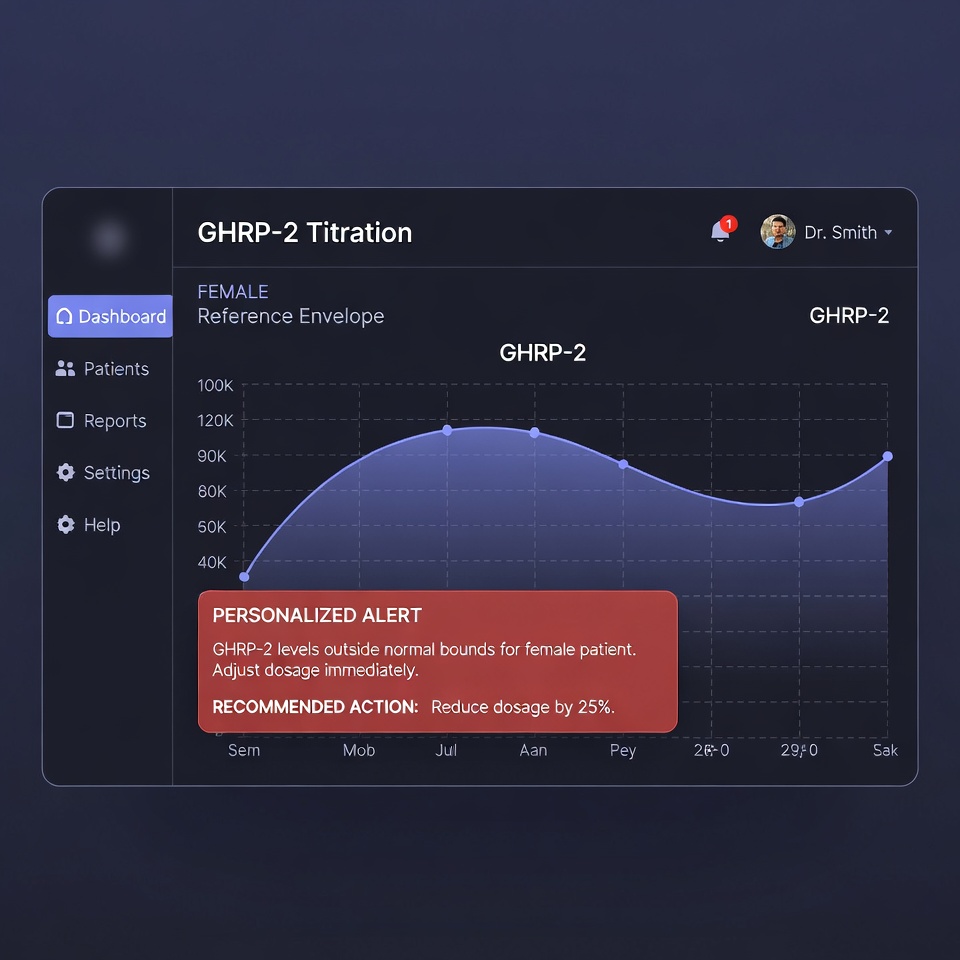
Through continuous monitoring via wearable devices and other data streams, digital twins can identify potential health risks in real-time [11], triggering alerts that prompt timely interventions before conditions worsen [11].
According to research, digital twins can effectively identify high-risk individuals, forecast potential complications, and recommend preventive measures based on predicted patient responses [11]. This capability becomes especially valuable for longevity clinics focused on extending healthspans through early intervention.
Improved patient engagement and retention
Digital twins foster greater patient involvement in their own health journey. When patients can visualize their health status through digital representations, they become more actively engaged in their care [11]. This increased engagement consequently leads to:
Better adherence to treatment regimens and lifestyle modifications [11], Enhanced communication between patients and healthcare providers [11], Greater confidence in following recommended care plans [10]
For longevity clinics, this means patients who stay committed to their health optimization programs for longer periods, ultimately improving both clinical outcomes and business sustainability.
Market trends and early adopter advantage
The digital twin healthcare market is experiencing rapid growth. According to industry projections, the global healthcare digital twins market is expected to expand from $2.1 billion in 2024 to approximately $15.2 billion by 2032, representing a compound annual growth rate of 28.17% [7].
Clinics that adopt this technology early gain significant advantages:
Differentiation in an increasingly competitive wellness marketplace
Ability to offer cutting-edge personalized medicine approaches
Position as innovation leaders in preventive healthcare
Opportunity to shape best practices as the technology evolves
As digital twin consortia bring together academia, industry, and government stakeholders [5], early adopters can also participate in standardizing methods and protocols, further cementing their industry leadership.
Ultimately, for longevity clinics seeking to deliver truly personalized, preventive care, digital twins offer not just a technological advancement but a transformational approach to healthcare delivery that aligns perfectly with the mission of extending healthy human lifespans.
Real-World Examples of Digital Twin Applications in Healthcare
Digital twin technology is currently being implemented across diverse healthcare settings, demonstrating its practical value beyond theoretical concepts. From individual organs to entire hospital systems, these virtual models are creating new possibilities for precision medicine and operational efficiency.
Cardiac and organ simulations
Groundbreaking work at Johns Hopkins University illustrates the immediate clinical impact of cardiac digital twins. Researchers create detailed heart simulations for patients scheduled for ablation procedures, allowing surgeons to practice and develop customized treatment plans before entering the operating room [12]. This approach addresses the 50-70% success rate limitation of traditional ablation techniques.
Similarly, researchers at King’s College London, Imperial College London, and the Alan Turing Institute have developed over 3,800 anatomically accurate digital heart replicas, revealing how age and obesity influence electrical heart function [13]. Through their fully automated workflow, the team created cardiac digital twins using magnetic resonance imaging and electrocardiogram data from thousands of UK Biobank patients.
Beyond cardiac applications, digital twins of other organs continue to emerge. Project BreathEasy developed virtual lung models during the COVID-19 pandemic to optimize ventilator resources in heavily affected areas [5]. Throughout medicine, these organ simulations enable testing of interventions in risk-free virtual environments before application to actual patients.
Workflow optimization in hospitals
Hospital systems increasingly utilize digital twins to enhance operational efficiency. GE Healthcare’s command center technology was deployed across Oregon during the COVID-19 pandemic to track bed and ventilator capacity data throughout the state, maximizing critical resource utilization [5]. This system has now evolved to support early identification of patients at risk of deterioration.
At Manchester University NHS Foundation Trust, digital twins transformed fragmented records into unified information systems by integrating CAD drawings, space data, and asset information [14]. This integration created a stronger foundation for facility planning and decision-making across multiple teams.
Digital twins in chronic disease management
In diabetes care, virtual models simulate how different foods affect blood glucose levels. One study employed Twin Precision Nutrition technology with 89 Type 2 diabetes patients, analyzing continuous glucose monitoring data to provide food recommendations that prevent post-meal glucose spikes [15].
For patients with multiple sclerosis, digital twins facilitate predictions regarding brain atrophy onset, enabling early intervention strategies [1]. Likewise, digital twins have assessed liver failure risk after resections, helping healthcare professionals make timely decisions [1].
As these examples demonstrate, digital twin applications extend across numerous healthcare domains, making this technology increasingly accessible for forward-thinking clinics looking to enhance their precision medicine capabilities.
How to Build a Patient Digital Twin in Your Clinic
Building a functional patient digital twin requires a methodical approach that transforms raw data into actionable insights. This six-step framework provides a practical roadmap for clinics ready to implement this powerful technology.
Step 1: Gather structured biomarker data
Initially, collect comprehensive baseline clinical information from patients, including symptoms, biomarkers, imaging data, and genetic profiles [9]. For optimal results, focus on collecting biomarkers that provide meaningful insights into your patients’ health status. Biomedical data sources should include genomics, medical imaging, and electronic health records to create a foundation for your virtual patient model [16].
Step 2: Integrate wearable and lifestyle data
Subsequently, incorporate data from wearable devices that continuously monitor vital signs and other health metrics. These technologies enable the detection of subtle changes, providing insights into wellness and early signs of health issues [2]. Wearable data combined with digital twins facilitates real-time health monitoring, shifting healthcare from reactive to proactive by addressing issues before they escalate [17].
Step 3: Centralize and unify patient information
In turn, create a comprehensive, accessible repository by integrating data from various sources into a single, unified platform. This “single source of truth” ensures healthcare professionals across departments have access to the same data [3]. The digital twin integrates different measurements of a person over time, bringing together all information about a particular patient [18].
Step 4: Use AI to detect patterns and generate insights
Next, implement AI algorithms to analyze the integrated data. These tools can identify patterns and correlations in large medical datasets, providing insights beyond human analytical capabilities [19]. AI-driven adaptive designs leverage virtual cohorts to optimize key parameters and enhance drug safety assessments by predicting potential adverse events [9].
Step 5: Continuously update the model with new data
Naturally, establish a process for twin synchronization – the continuous updating of the digital twin when new data becomes available. This synchronization depends on the clinical context and relevance of new data [2]. The cycle repeats when new information justifies re-evaluation, with synchronization typically occurring when recording substantial deviations from baseline or measuring treatment effects [2].
Step 6: Translate insights into personalized action plans
Finally, transform insights into actionable care plans. Digital twins help customize therapeutic interventions individually based on patient characteristics, phenotype, and constraints [9]. Personalized treatment optimization can be achieved through reinforcement learning, which enables AI-driven decision-making in patient care [20].
Wondering how to implement these steps efficiently in your clinic? Request a demo session to see how advanced platforms can streamline this process, allowing you to focus on delivering exceptional care rather than managing complex data systems.
Where HolistiCare Fits Into the Digital Twin Roadmap
HolistiCare transforms the theoretical concept of digital twins into a practical reality for modern healthcare providers. This platform acts as a bridge between complex digital twin principles and everyday clinical practice, making personalized precision medicine accessible.
800+ biomarker analyzes and AI-driven insights
HolistiCare’s platform analyzes over 800 biomarkers from blood, genetics, and lifestyle data, applying AI-powered interpretation to extract clinically relevant insights [21]. This comprehensive analysis enables healthcare professionals to quickly identify patterns and potential health concerns. The system integrates multiple data points to form a holistic understanding of each patient’s health status.
Unified data from labs, genetics, and wearables
Indeed, the platform functions as a centralized repository that integrates health data from laboratories, wearables, and questionnaires into one unified workspace [21]. This integration ensures that all team members operate from a single authoritative record, eliminating data silos that typically plague healthcare systems. Such consolidation mirrors the core principle of digital twins – creating a comprehensive virtual representation of the patient.
Automated health plan creation and delivery
Notably, HolistiCare’s AI engine generates tailored holistic plans spanning diet, exercise, sleep, and mental health domains [21]. After clinician review, these personalized action plans are delivered directly to the client’s mobile app, increasing real-world adherence. This automation transforms complex biomarker insights into actionable recommendations.
Real-time monitoring and plan adjustments
The platform continuously monitors vital signs and tracks deviations through its mobile app [21]. This ongoing surveillance allows for early detection of health changes, much like how digital twins in healthcare enable proactive rather than reactive care approaches. Ready to see how this works in your practice? Book a demo session to experience this real-time capability firsthand.
White-label dashboards and workflow automation
Uniquely, HolistiCare offers customizable dashboards and workflows that can be tailored to individual clinical practices. The platform supports preferences for escalation rules and monitoring cadences, allowing clinicians to instruct AI to prioritize specific metrics and enforce safety protocols [21]. These automation features streamline patient management from initial onboarding through ongoing follow-up care.
Conclusion
Digital twins represent a paradigm shift in healthcare delivery, transforming how clinics approach patient care through dynamic virtual models that evolve with real-time data. Throughout this guide, we’ve explored how these sophisticated systems combine biomarker analysis, wearable inputs, and AI-driven insights to create comprehensive patient replicas that enable truly personalized medicine.
The benefits for longevity clinics and wellness professionals are undeniably significant. Digital twins allow for personalization at scale, predictive insights that catch health issues before they become serious problems, and substantially improved patient engagement. Additionally, early adopters gain competitive advantages in an increasingly tech-driven healthcare landscape where precision and personalization are becoming expected rather than exceptional.
Building a digital twin system no longer requires massive technical infrastructure or specialized expertise. The six-step framework outlined—from gathering structured biomarker data to translating insights into action plans—provides a practical roadmap that any forward-thinking clinic can follow. Nevertheless, implementing these steps efficiently requires the right technology partner.
HolistiCare stands as the bridge between complex digital twin concepts and everyday clinical practice. With capabilities including 800+ biomarker analyzes, unified data management, automated health plan creation, and real-time monitoring, the platform embodies the core principles of digital twin technology in an accessible format. Ask for a demo session to see how HolistiCare can transform your clinic’s approach to personalized care.
The future of healthcare undoubtedly belongs to those who can harness patient data to deliver precise, preventive interventions rather than simply reacting to symptoms. Digital twins represent a powerful step toward this vision—where each patient receives care tailored specifically to their unique biological makeup, lifestyle factors, and health goals. Above all, this technology empowers clinics to deliver the kind of individualized care that was once impossible at scale, ultimately extending healthspans and improving quality of life for patients seeking optimal wellness.
Key Takeaways
Digital twins in healthcare create dynamic virtual patient replicas that revolutionize personalized medicine by combining real-time data with predictive analytics. Here are the essential insights for implementing this transformative technology:
• Digital twins go beyond traditional health records by creating living, predictive models that simulate treatment outcomes before real-world application, enabling proactive rather than reactive care.
• Six-step implementation framework includes gathering biomarker data, integrating wearables, centralizing information, applying AI analysis, continuous updates, and translating insights into personalized action plans.
• Early adopters gain competitive advantages in the rapidly growing $15.2 billion digital twin healthcare market by 2032, positioning clinics as precision medicine leaders.
• Real-world applications prove effectiveness from cardiac simulations at Johns Hopkins to diabetes management systems that prevent glucose spikes through personalized food recommendations.
• Comprehensive data integration is crucial – combining 800+ biomarkers, wearable inputs, lifestyle factors, and genetic information creates the holistic patient view needed for accurate virtual modeling.
The technology transforms theoretical precision medicine into practical clinical reality, enabling clinics to deliver truly individualized care at scale while predicting and preventing health issues before they become serious problems.
FAQs
Q1. What is a digital twin in healthcare and how does it differ from traditional health records? A digital twin in healthcare is a virtual replica of a patient that continuously updates with real-time data. Unlike traditional health records which are static repositories of past events, digital twins use AI to analyze patterns, predict outcomes, and simulate treatment scenarios, enabling proactive and personalized care.
Q2. How can digital twins benefit longevity clinics? Digital twins offer longevity clinics personalized care at scale, predictive insights for early detection of health issues, improved patient engagement, and the ability to simulate treatment outcomes. This technology helps clinics shift from reactive to preventive care, potentially extending healthspans through early interventions.
Q3. What are some real-world applications of digital twins in healthcare? Digital twins are being used for cardiac and organ simulations, hospital workflow optimization, and chronic disease management. For example, Johns Hopkins University uses heart simulations for pre-surgical planning, while digital twins have been employed to manage diabetes by predicting blood glucose responses to different foods.
Q4. How can a clinic start implementing a digital twin system? Clinics can implement digital twins by following a six-step process: gathering structured biomarker data, integrating wearable and lifestyle data, centralizing patient information, using AI to detect patterns, continuously updating the model, and translating insights into personalized action plans.
Q5. What role does HolistiCare play in implementing digital twin technology? HolistiCare facilitates the implementation of digital twin principles by offering a platform that analyzes over 800 biomarkers, unifies data from various sources, generates automated health plans, provides real-time monitoring, and offers customizable dashboards. This makes the complex concept of digital twins accessible for everyday clinical practice.
References
[1] – https://www.nature.com/articles/s41746-024-01146-0
[2] – https://www.thelancet.com/journals/landig/article/PIIS2589-7500(25)00028-7/fulltext
[3] – https://www.twinview.com/insights/harnessing-the-power-of-digital-twins-centralizing-data-for-a-digital-healthcare-system
[4] – https://www.sciencedirect.com/science/article/pii/S2666389924001612
[5] – https://www.nature.com/articles/s41746-024-01073-0
[6] – https://pmc.ncbi.nlm.nih.gov/articles/PMC11705329/
[7] – https://www.delveinsight.com/blog/digital-twin-technology-challenges-and-applications
[8] – https://www.pharmasalmanac.com/articles/human-digital-twins-in-biopharma-the-future-is-already-here
[9] – https://www.nature.com/articles/s41540-025-00592-0
[10] – https://vivatechnology.com/news/healthcare-digital-twins-how-virtual-patient-models-are-transforming-care
[11] – https://pmc.ncbi.nlm.nih.gov/articles/PMC10513171/
[12] – https://www.nhlbi.nih.gov/news/2025/building-digital-twins-and-hearts
[13] – https://www.insideprecisionmedicine.com/topics/precision-medicine/first-large-scale-cardiac-digital-twin-advances-precision-potential/
[14] – https://bisconsult.co.uk/insights/digital-twin-examples-use-cases-in-healthcare/
[15] – https://www.sciencedirect.com/science/article/abs/pii/S1043276024001139
[16] – https://www.mdpi.com/2075-4426/15/11/503
[17] – https://comphealth.duke.edu/digital-twins-in-healthcare-revolutionizing-patient-care-at-duke/
[18] – https://pmc.ncbi.nlm.nih.gov/articles/PMC9371419/
[19] – https://www.jmaj.jp/detail.php?id=10.31662%2Fjmaj.2024-0213
[20] – https://www.jmir.org/2025/1/e72411
[21] – https://holisticare.io/