In functional medicine and longevity practices, the DUTCH (Dried Urine Test for Comprehensive Hormones) has become a cornerstone for evaluating hormone dynamics beyond serum snapshots. Developed by Precision Analytical, the DUTCH Complete assesses sex hormones, adrenal function, melatonin, and select organic acids through dried urine samples collected at multiple time points over 24 hours. It provides a detailed view of hormone production, metabolism, and diurnal patterns—insights that serum testing often misses. Yet the test’s strength is also its challenge: a single report contains dozens of analytes, ratios, and graphical patterns that demand significant interpretive effort.
Legacy EHR systems treat DUTCH reports as attachments or scanned PDFs—static documents filed away without extraction, correlation, or longitudinal tracking. Providers must manually review pages of metabolite values, compare ratios to population norms, recall prior tests, and integrate with symptoms or other labs during brief encounters. Cognitive load accumulates. Patterns are overlooked in high-volume practices. The Hero Trap persists: individual expertise compensates for absent systems architecture, limiting scale and consistency.
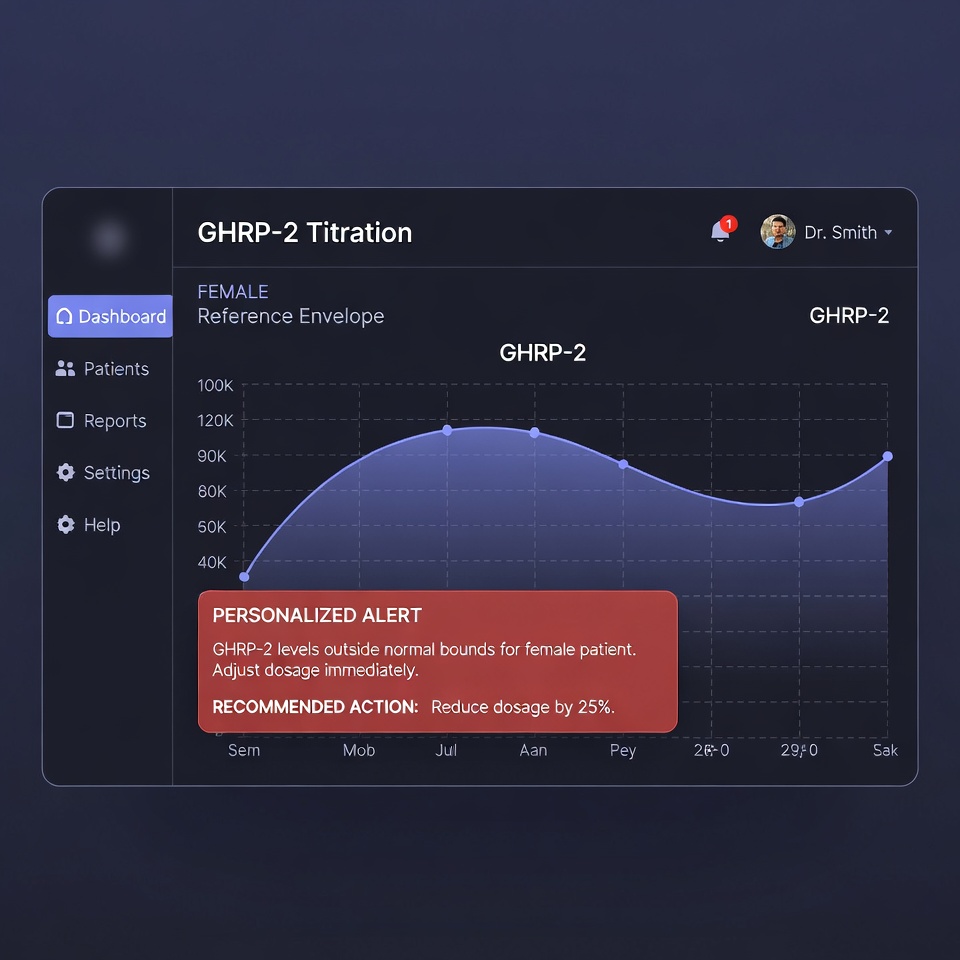
HolistiCare automates the decoding of complex hormone metabolite data, extracting key analytes from DUTCH reports, constructing patient-specific baselines, and surfacing multi-parametric deviations for provider review. As a Clinical Intelligence Layer overlaying legacy EHRs, HolistiCare ingests results via OCR or API (when available), applies pattern recognition tuned to functional medicine protocols, and generates alerts that reduce friction while preserving clinical judgment.
HolistiCare flags data anomalies for professional review; it does not provide a diagnosis.
The Complexity of DUTCH Interpretation
The DUTCH Complete analyzes approximately 35 hormones and metabolites across four primary groups:
- Sex hormones and metabolites: Estrogens (estrone E1, estradiol E2, estriol E3), phase I metabolites (2-hydroxy, 4-hydroxy, 16-hydroxy estrogens), phase II methylation (2-methoxy estrogens), progesterone metabolites (a/b-pregnanediol), androgens (testosterone, DHEA-S, 5α-DHT, androsterone, etiocholanolone).
- Adrenal hormones and metabolites: Free cortisol and cortisone at four diurnal points (awakening, midday, evening, bedtime), metabolized cortisol (sum of THF/THE), DHEA-S.
- Melatonin and organic acids: 6-OHMS for melatonin production; markers for B-vitamin status, oxidative stress (8-OHdG), neurotransmitter metabolites, and gut-related pathways.
- Patterns and ratios: Estrogen detoxification pathways (2/4/16-OH ratios), androgen 5α/5β reductase activity, cortisol diurnal curve shape, cortisol clearance rate.
These elements reveal dynamics serum cannot: preferential estrogen hydroxylation pathways linked to detoxification efficiency, cortisol rhythm disruptions indicating HPA axis dysregulation, or melatonin insufficiency contributing to sleep complaints. Validation studies show dried urine correlates well with 24-hour collections and salivary patterns for cortisol and metabolites, with high intraclass correlation coefficients.
However, manual interpretation is resource-intensive. Providers must:
- Calculate or reference ratios (e.g., 2-OH/4-OH for phase I preference).
- Compare diurnal cortisol curves to expected patterns.
- Integrate with patient history, cycle phase, or prior labs.
- Distinguish physiologic variation from actionable imbalance.
In busy clinics, subtle deviations—such as elevated 4-OH estrogens or flattened cortisol awakening—are missed or inconsistently addressed. Legacy EHRs exacerbate this by providing no automated extraction or trend visualization.
Why Static Reporting Falls Short in Longitudinal Care
DUTCH results are dynamic and patient-specific. A single test reflects one moment; true insight emerges from serial testing correlated with interventions, lifestyle factors, or menstrual cycles. Legacy systems store reports but offer no mechanism for:
- Longitudinal comparison (e.g., 2-OH/16-OH ratio improvement post-supplementation).
- Baseline establishment (e.g., pre-intervention estrogen metabolism envelope).
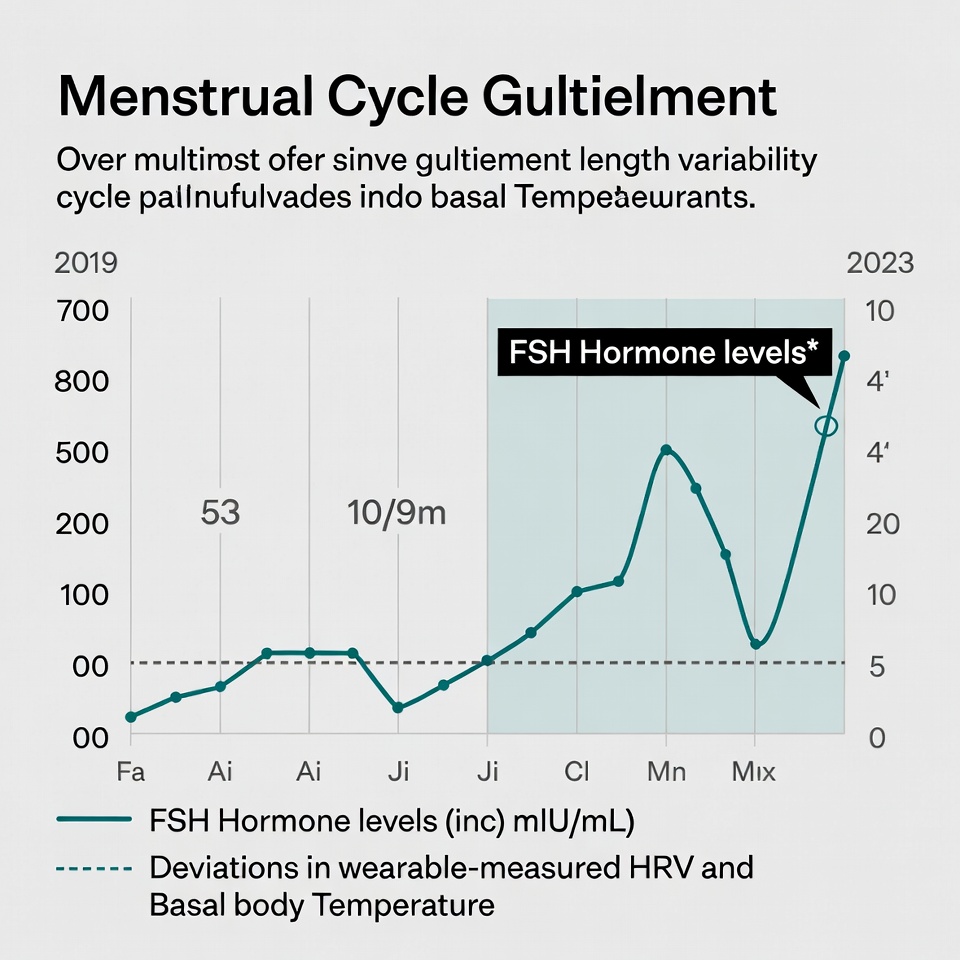
- Multi-test synthesis (e.g., correlating cortisol flattening with declining HRV from wearables).
The result is fragmented care: repeated testing without cumulative intelligence, increased provider burnout, and suboptimal patient outcomes. This is clinical friction at its core—data abundance without actionable architecture.
The HolistiCare Clinical Intelligence Layer: Automation Over Manual Review
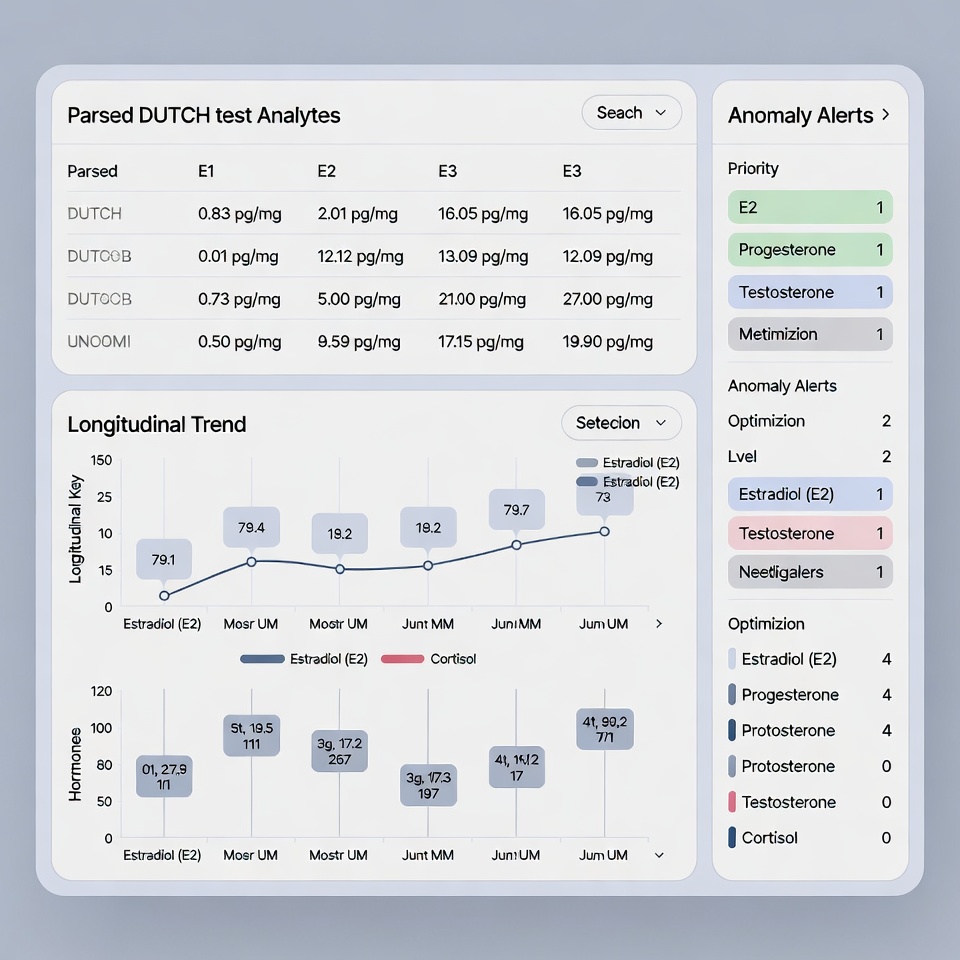
HolistiCare.io functions as an overlay Clinical Operating System. It ingests DUTCH PDFs via secure OCR or direct upload, parses structured data (analytes, ratios, graphs), and integrates with legacy EHR feeds, wearable metrics, and cycle tracking.
Core mechanisms include:
- Report ingestion and normalization: OCR extracts values with >98% accuracy for standard DUTCH formats; values are mapped to standardized units and flagged for manual verification if ambiguous.
- Patient-specific baseline construction: Over serial tests (≥2–3), HolistiCare builds individualized reference envelopes for key ratios and patterns (e.g., personal 2-OH preference, typical diurnal cortisol curve).
- Multi-parametric pattern detection: Algorithms monitor for deviations sustained across tests or correlated with other data streams (e.g., elevated 4-OH estrogens + poor methylation + high oxidative stress marker).
- Alert generation: Concise notifications route to the provider’s legacy EHR workflow, using mandatory phrasing: “HolistiCare has identified a deviation in estrogen phase I metabolism favoring the 4-OH pathway; consider reviewing detoxification support protocols.”
Alerts trigger only on concordant signals to minimize noise. Every output preserves provider authority—HolistiCare surfaces patterns, never diagnoses.
Illustrative Multi-Parametric Patterns
Consider a 45-year-old woman with fatigue and irregular cycles. Initial DUTCH shows:
- Total estrogens in normal range, but 4-OH/2-OH ratio elevated (favoring potentially genotoxic pathway).
- Methylation (2-MeOE1) low relative to total 2-OH.
- Flattened diurnal cortisol with reduced metabolized cortisol.
- Melatonin 6-OHMS below expected nocturnal peak.
HolistiCare flags: “Deviation in phase I estrogen metabolism with elevated 4-OH pathway and suboptimal phase II methylation; concurrent adrenal pattern showing reduced diurnal amplitude.” Provider reviews, orders liver support (e.g., DIM, calcium-D-glucarate), and retests in 3 months. Follow-up DUTCH shows improved ratios and partial cortisol rhythm restoration. Legacy EHR alone would have shown scattered PDF notes; HolistiCare provides trend visualization and longitudinal correlation.
Another case: A 52-year-old man on bioidentical HRT shows rising total estrogen but declining androgen metabolites. HolistiCare alerts on shifting 5α-reductase activity and correlates with wearable HRV decline, prompting dose adjustment and DHT pathway evaluation.
Reducing Clinical Friction and Scaling the Enterprise Model
In the Enterprise Model we champion, protocols—not individual recall—drive outcomes. HolistiCare institutionalizes DUTCH interpretation across panels or organizations. Providers receive pre-synthesized dashboards: longitudinal ratio trends, pattern heatmaps, and prioritized alerts. Cognitive load drops; decision support embeds suggested follow-ups (e.g., “Re-assess post-liver support intervention”).
ROI manifests as fewer unnecessary repeat tests, earlier intervention on imbalances, higher adherence to protocols, and improved patient retention through objective tracking. Legacy infrastructure handles compliance and billing; HolistiCare adds clinical intelligence.
Implementation Considerations for Functional Medicine and Longevity Practices
Integration is low-disruption: Upload DUTCH PDFs or API feeds; baseline construction retrospective from existing reports. Training: 25-minute session on alert interpretation and documentation. Practices report ~40% reduction in hormone-related consult time for complex cases, with higher early identification of metabolic patterns—operational outcomes from systematized architecture.
Conclusion
The DUTCH Test delivers unparalleled depth in hormone metabolite analysis, but manual decoding limits its scalability. By architecting a Clinical Intelligence Layer that automates ingestion, baseline tracking, and deviation detection, we transform raw data into actionable insight without supplanting provider expertise. This shift—from reactive review to protocol-driven precision—enables longevity practices to handle volume while maintaining personalization.
The systems we deploy today determine whether hormone optimization remains an artisanal endeavor or scales as enterprise-grade medicine.
References
- Miller WL, et al. Dried urine and salivary profiling for complete assessment of cortisol and cortisol metabolites. J Appl Lab Med. 2020;5(6):1242-1252. doi:10.1093/jalm/jfaa121. (PMC7744704)
- Precision Analytical. Clinical Validation of the DUTCH Test. 2018. Available at: https://shop.dutchtest.com/wp-content/uploads/2018/09/Clinical-Validity.pdf
- Precision Analytical. Understanding DUTCH Test: Hormones, Metabolites & Biomarkers. 2021. Available at: https://dutchtest.com/articles/what-does-dutch-test-4-groups-of-hormones-metabolites-other-biomarkers
- Precision Analytical. DUTCH Complete Test Overview. Available at: https://dutchtest.com/dutch-complete
- Stanczyk FZ, et al. Hormone measurement in clinical practice: challenges and limitations. Menopause. 2014;21(5):508-515. (Contextual for metabolite interpretation challenges)
- Prior JC. Clearing confusion about perimenopause. BC Med J. 2005;47(10):538-542. (Broader hormone dynamics in functional contexts)
Legal & Medical Disclaimer:
This article is for educational and informational purposes only and does not constitute medical advice, diagnosis, or treatment. HolistiCare flags data anomalies for professional review; it does not provide a diagnosis. All clinical decisions remain the responsibility of the licensed healthcare provider. Individual results may vary. Consult qualified medical professionals before making any changes to patient evaluation or management protocols. Peptides discussed may be used off-label; regulatory status varies by jurisdiction.